
Step aboard the Movenpick Hamees and journey through the heart of ancient Egypt on one of the most rewarding Nile river cruises available today. Over 4 or 5 days between Aswan and Luxor, discover iconic temples, royal tombs, and timeless monuments — all with full-board dining, a private Egyptologist guide, and seamless service from embarkation to farewell.
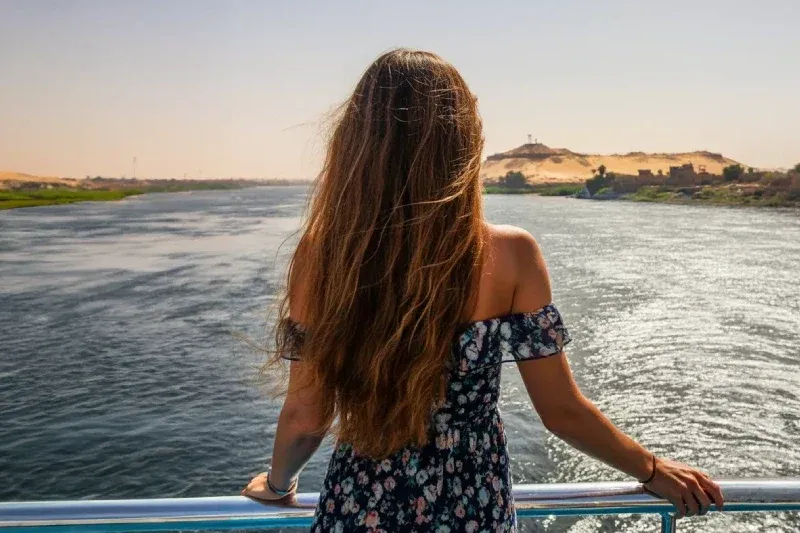
Experience a refined Nile Cruise aboard the elegant Jaz Viceroy Nile Cruise, sailing between Luxor and Aswan while discovering ancient temples, royal tombs, and breathtaking Nile landscapes. Enjoy full-board comfort, guided archaeological tours, and relaxing river views as your luxury floating hotel carries you through the heart of ancient Egypt.
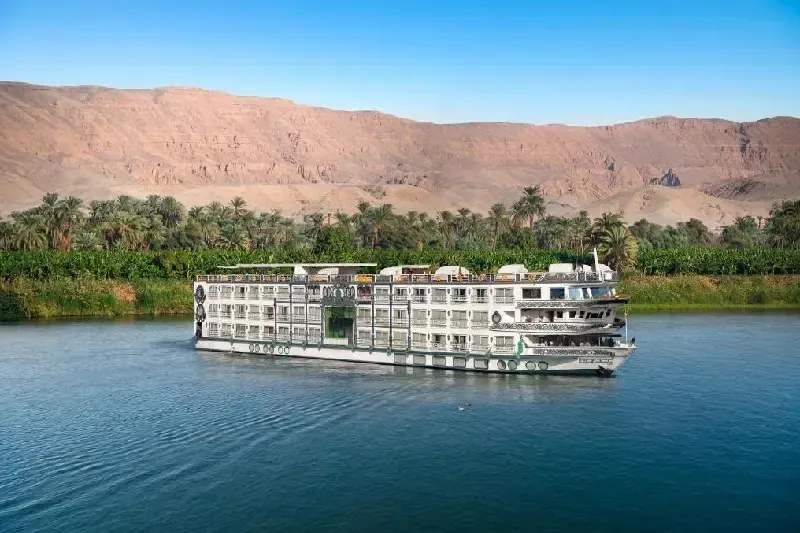
Discover the magic of a Luxor Aswan Nile Cruise, sailing through the heart of ancient Egypt while visiting iconic temples, royal tombs, and breathtaking Nile landscapes. Enjoy a relaxing Nile cruise experience with expert-guided tours, full-board comfort, and unforgettable views along the legendary river.
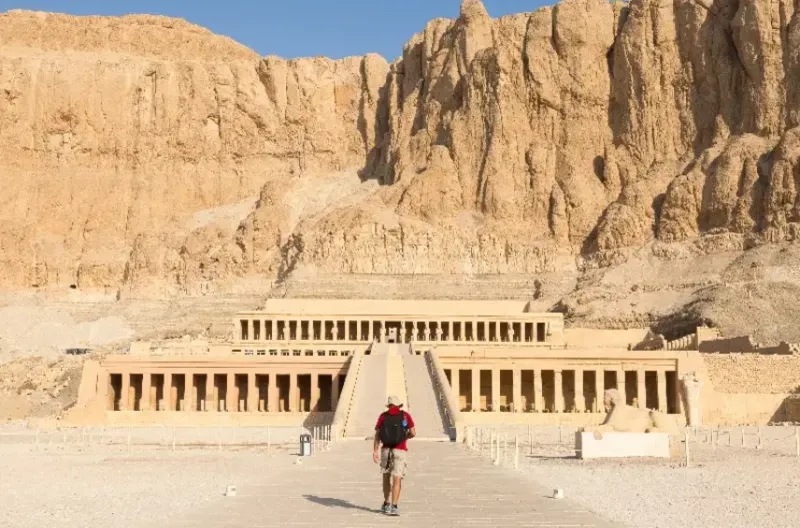
Journey along the legendary Nile aboard the elegant Jaz Regent Nile Cruise from Luxor on a carefully curated 4 or 5 day journey from Luxor to Aswan. Explore the colossal temples of Karnak and Luxor, descend into the royal tombs of the Valley of the Kings, and discover the sacred sanctuaries of Edfu, Kom Ombo, and Philae — all in refined comfort with a private Egyptologist guide and full-board luxury throughout.
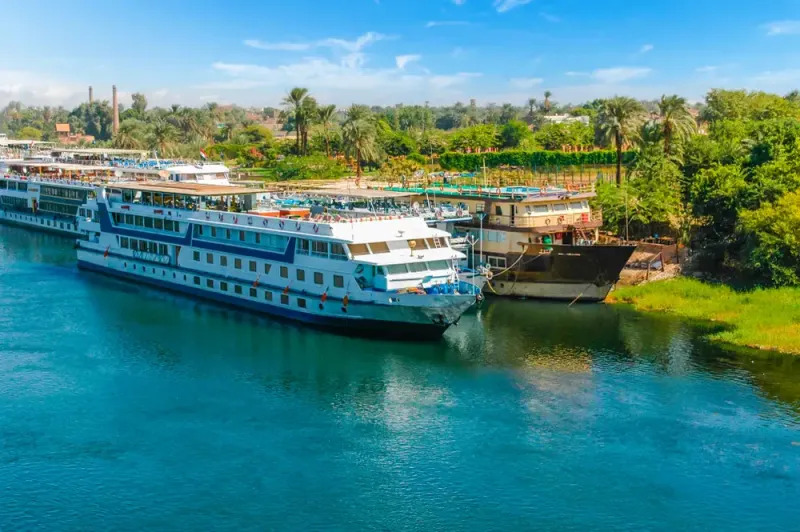
Sail the legendary Nile aboard the distinguished Tamr Henna Nile Cruise on a carefully curated 4 or 5 day nile cruise ship voyage between Luxor and Aswan. Explore the colossal temples of Karnak and Luxor, descend into the royal tombs of the Valley of the Kings, and discover the sacred sanctuaries of Edfu, Kom Ombo, and Philae — all in refined comfort with a dedicated private Egyptologist guide and full-board hospitality throughout.
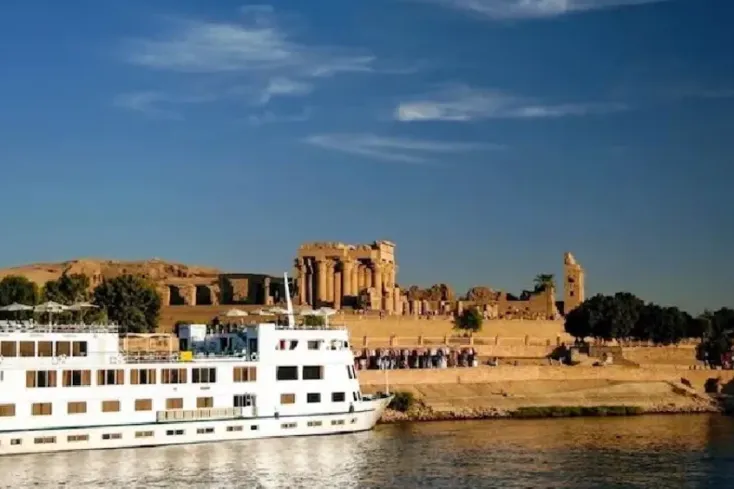
Uncover the beauty of Upper Egypt aboard the elegant Sonesta Moon Goddess Nile Cruise on a thoughtfully curated 4 or 5 day luxor nile cruise between Aswan and Luxor. Discover the sacred temples of Philae, Kom Ombo, and Edfu, walk through the awe-inspiring halls of Karnak, and descend into the royal tombs of the Valley of the Kings — all in a setting of refined comfort with a dedicated private Egyptologist guide and full-board hospitality throughout.
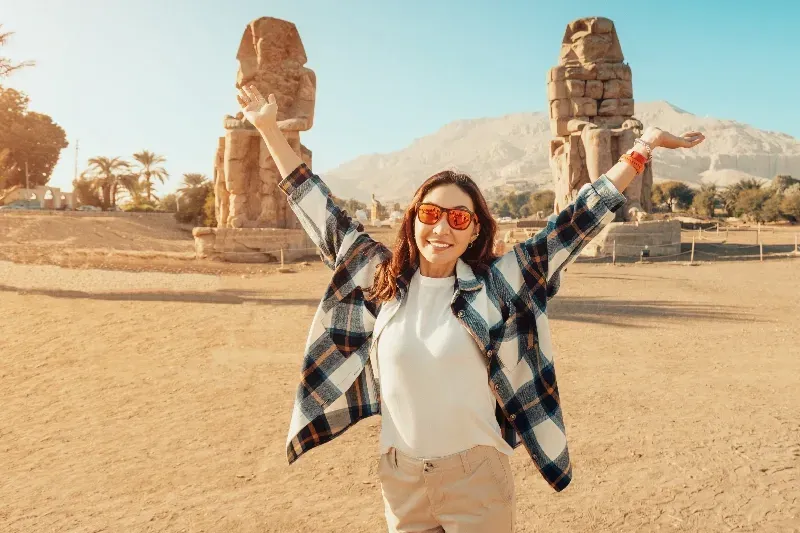
Sail the legendary Nile aboard the luxurious Farah Nile Cruise on a 4 or 5-day guided expedition between Aswan and Luxor. Discover iconic temples, royal tombs, and timeless monuments with a private Egyptologist — all on a fully inclusive basis.
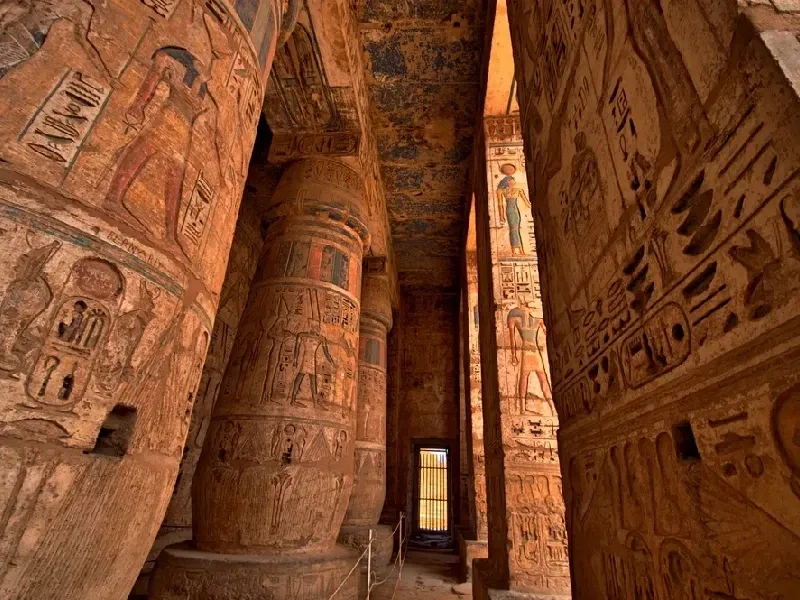
Set sail on an unforgettable luxurious Nile cruise aboard the Sonesta Star Goddess, one of Egypt's most prestigious river vessels. Whether you choose the 4-day voyage from Aswan to Luxor or the 5-day southbound journey from Luxor to Aswan, every moment is crafted for discovery and indulgence. From the towering pylons of Karnak to the silent valleys of the royal necropolis, experience the wonders of ancient Egypt in all-suite comfort, with full-board dining, expert Egyptologist guidance, and seamless service every step of the way.
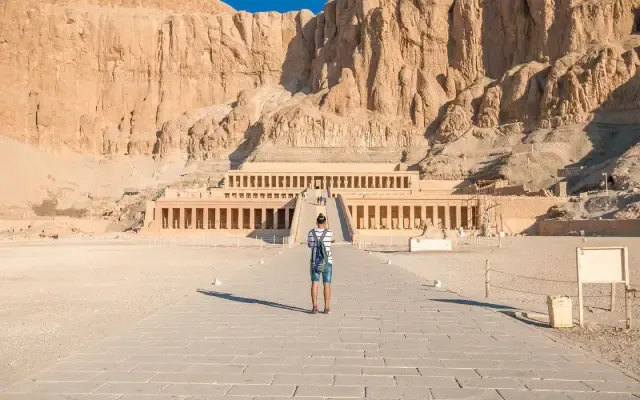
Embark on an extraordinary Nile cruise in Egypt aboard the elegant Soleil Nile Cruise, sailing through one of the most historically rich corridors on earth. Whether you choose the 4-day northbound voyage from Aswan to Luxor or the 5-day southbound journey from Luxor to Aswan, every day brings you face to face with the wonders of ancient Egypt. From the royal tombs of the Valley of the Kings to the island sanctuary of Philae, experience it all in comfort and style — with full-board dining, expert Egyptologist guidance, and warm, attentive service throughout your entire journey on the Nile.
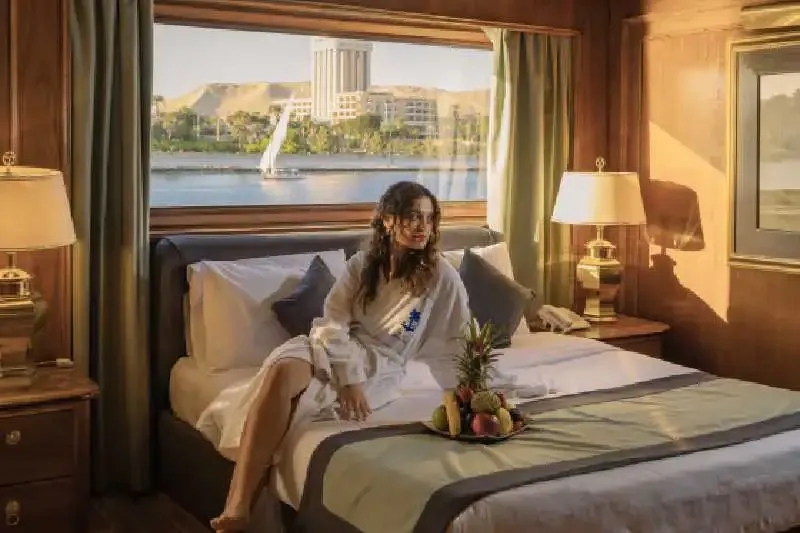
Discover the magic of the Nile aboard the Sonesta Sun Goddess Nile Cruise, a luxury journey connecting Luxor and Aswan. Explore ancient temples, sail through timeless landscapes, and enjoy elegant accommodation, fine dining, and expert-guided excursions at every stop.
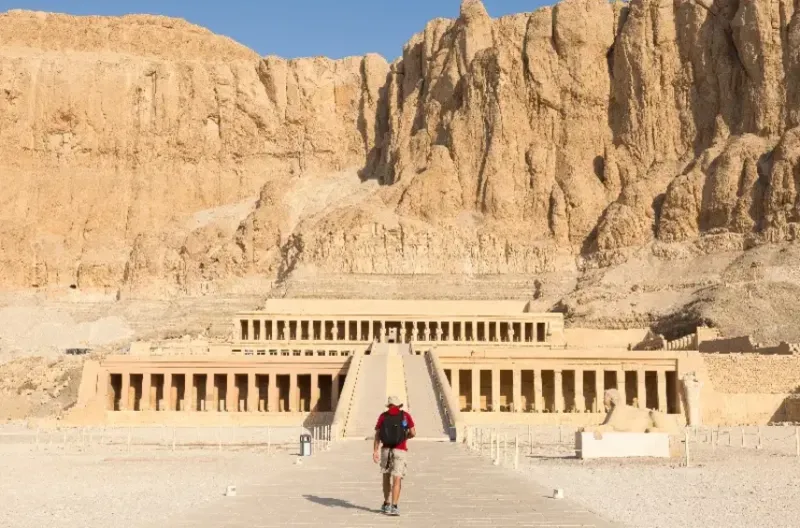
Enjoy a 5 star Nile cruise aboard the Movenpick Sunray Nile Cruise, sailing between Luxor and Aswan with luxury accommodation, fine dining, and guided tours to Egypt’s most iconic ancient sites.
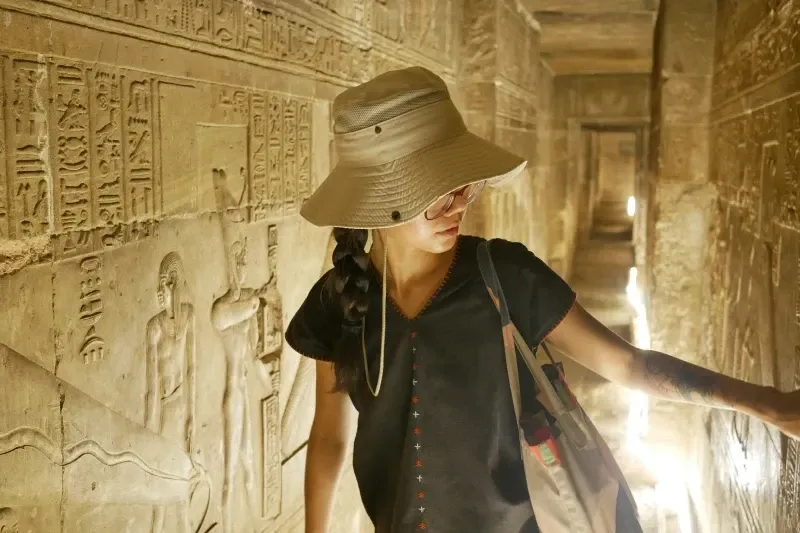
Discover the historia nile cruise, a refined luxury Egypt cruise sailing between Luxor and Aswan, where elegant accommodation, expert-guided excursions, and the timeless beauty of the Nile come together to create an unforgettable journey through Egypt’s most iconic ancient wonders.
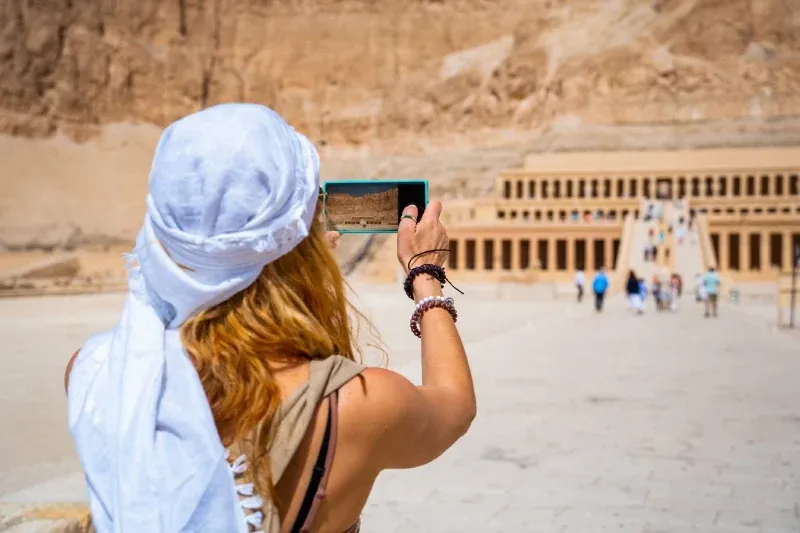
Discover the esmeralda nile cruise, a luxury Nile cruise to Luxor and a relaxing Nile cruise in Aswan, combining elegant accommodation, guided excursions, and unforgettable views along Egypt’s timeless river.
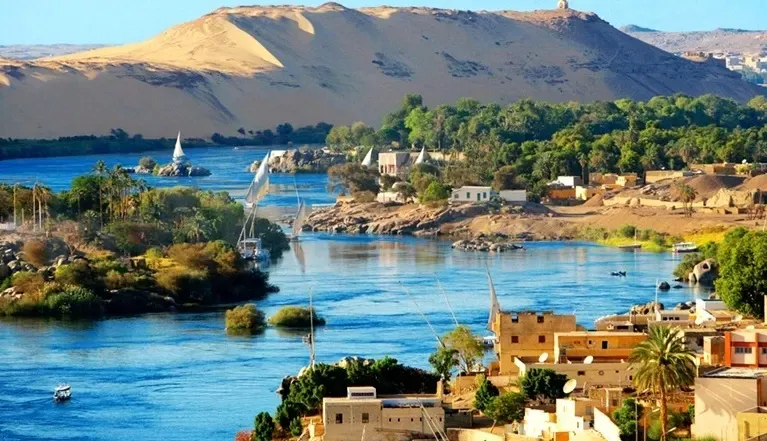
Enjoy a refined nile cruise tour aboard La Fayan Nile Cruise, combining elegant accommodation, expert-guided excursions, and the timeless beauty of the Nile between Luxor and Aswan.
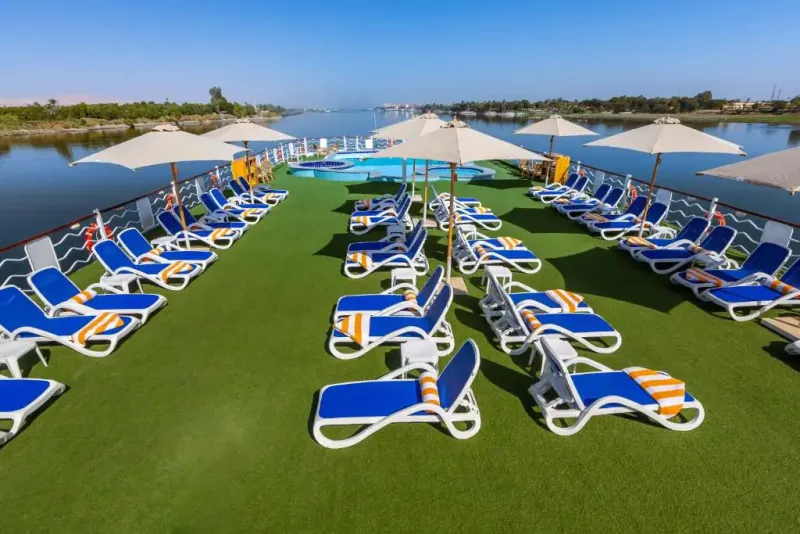
Redefine the way you see ancient Egypt aboard the Movenpick Royal Lotus Nile Cruise — a five-star floating sanctuary navigating the world's most historically charged river corridor. With a carefully crafted nile cruise itinerary, expert Egyptologist guidance, and full-board luxury, this luxor aswan cruise delivers the ancient world at its most vivid and genuinely unforgettable.
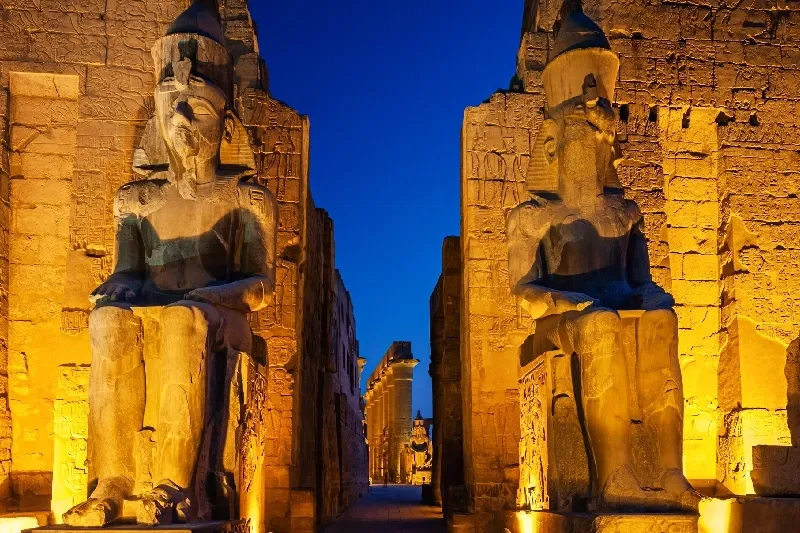
Drift through the heart of ancient Egypt aboard the Acamar Nile Cruise — a premium five-star ship that sets the standard for the finest egypt nile cruise experience on the river. Whether you follow the 4-day or 5-day sailing program, every day combines expert-guided monument visits, full-board dining, and the unhurried rhythm of the Nile into a single, seamless journey through one of the world's greatest civilizations.
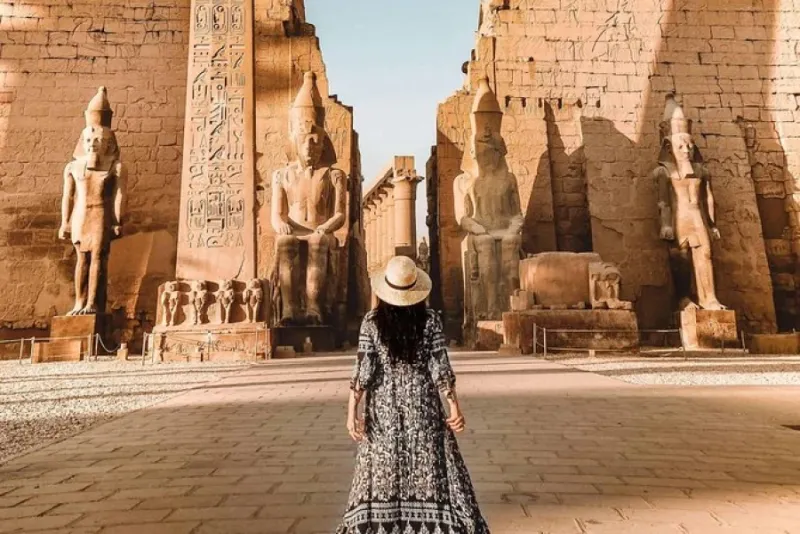
Step aboard one of the river's most distinguished vessels and experience a luxurious nile cruise that sets an entirely different standard for travel through ancient Egypt. The Sonesta Saint George Nile Cruise combines the grandeur of a golden age of river travel with every refinement of contemporary five-star hospitality — full-service spa, panoramic private cabins, world-class dining, and expert-guided shore excursions — across a 4 or 5-day programme between the imperial monuments of Luxor and the warm granite shores of Aswan.
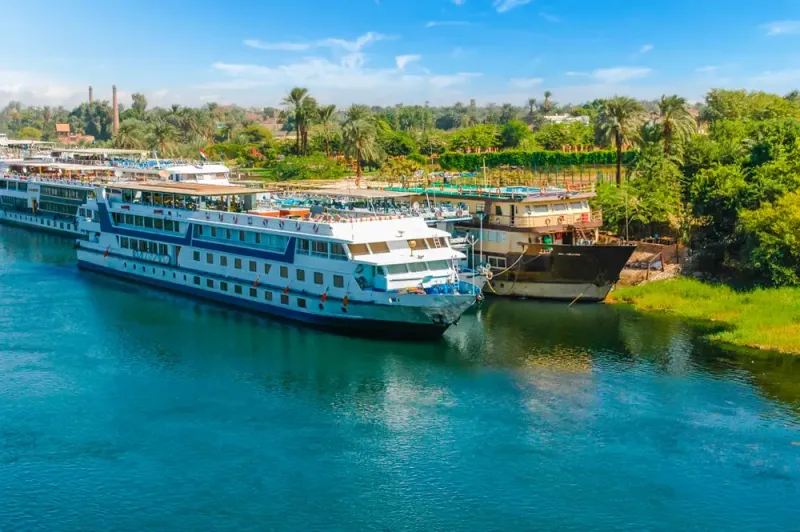
Glide through the most monument-rich corridor on earth aboard the Blue Shadow Nile Cruise — a refined five-star ship that brings a new standard of comfort and care to the nile river egypt cruise experience between Luxor and Aswan. Whether you choose the 4-day or 5-day sailing programme, every day on board delivers the same commitment to expert-guided shore excursions, attentive full-board hospitality, and the incomparable pleasure of watching ancient Egypt pass by from the quiet surface of the river.
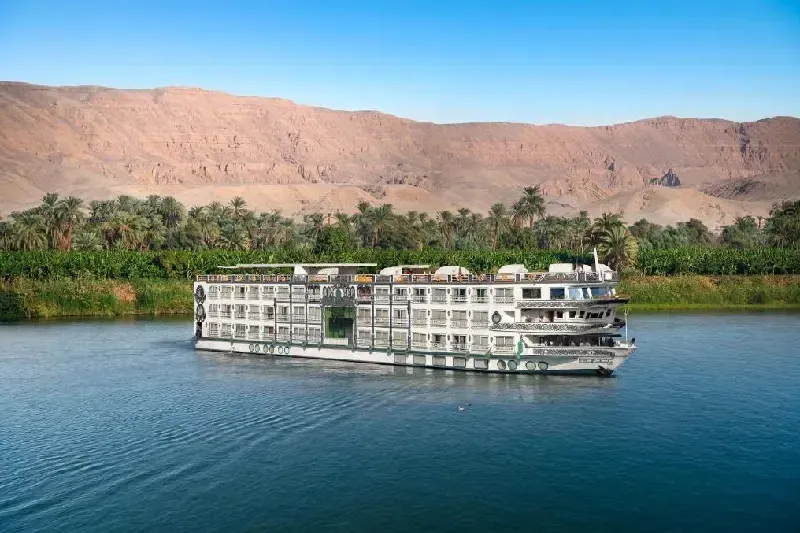
Anchor your Egyptian adventure to the finest nile cruise luxor egypt experience available — the Mayfair Nile Cruise, a five-star ultra-deluxe vessel of five beautifully appointed decks sailing the most monument-rich corridor on the Nile between Luxor and Aswan. With private guided shore excursions, attentive full-board hospitality, French balcony cabins, and a maximum group size of eight guests, this luxor and aswan nile cruise delivers a standard of intimacy, comfort, and historical depth that larger vessels simply cannot match.
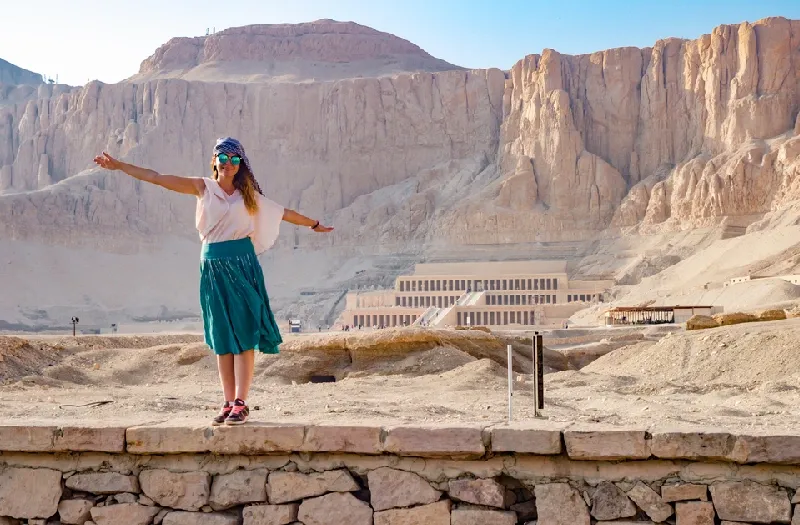
Navigate the heart of ancient Egypt aboard the Steigenberger Minerva Nile Cruise — a five-star nile river boat among the finest egypt nile cruises operating between Luxor and Aswan. With 77 spacious cabins, a maximum of eight guests per Egyptologist guide, and a 4 or 5-day programme covering every major monument on the corridor, this is Upper Egyptian sailing at its most intimate and complete.

Embark on a nile cruise trip of genuine distinction aboard the Chateau Lafayette Nile Cruise — a fully renovated five-star vessel featuring 17 suites, 6 superior suites, and 33 double cabins, each appointed with the care and comfort that a premium nile cruise trip demands. With private Egyptologist-guided shore excursions, a maximum group size of eight guests, and a 4 or 5-day programme covering the full range of Upper Egyptian monuments between Luxor and Aswan, the chateau lafayette nile cruise delivers a depth and quality of experience that leaves a lasting impression from the first day to the last.
Begin the finest nile cruise aswan to luxor experience aboard the MS Presidential Commodore Nile Cruise — a well-established five-star vessel of 76 spacious cabins sailing the most monument-rich corridor on the Egyptian Nile. With private Egyptologist-guided shore excursions, full-board hospitality, and a 4 or 5-day programme covering the complete range of Upper Egyptian monuments, the ms presidential commodore nile cruise delivers a nile cruise aswan to luxor experience of consistent quality, professional care, and genuine historical depth.
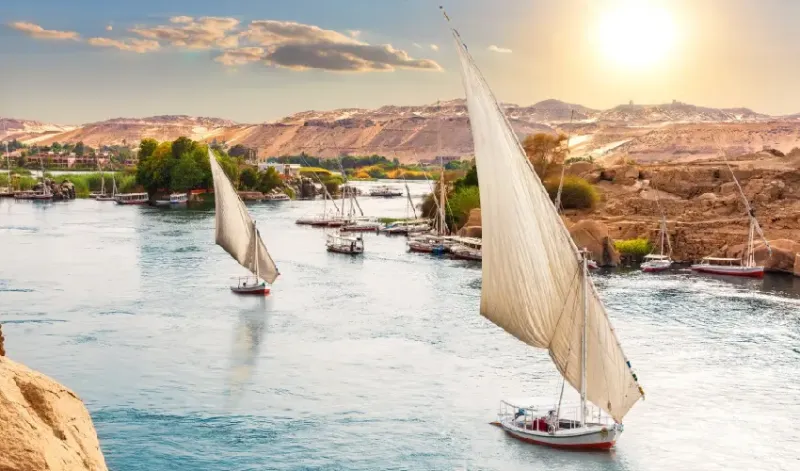
Discover the ancient world in genuine comfort aboard the Odyssey Nile Cruise — a classic five-star river nile cruise vessel of 70 well-appointed cabins, operated by the respected Presidential Nile Cruises fleet and sailing the most monument-rich corridor on the Egyptian Nile between Luxor and Aswan. With private Egyptologist-guided shore excursions, full-board hospitality, and a 4 or 5-day programme that covers every significant ancient site on the Upper Egypt corridor, the ms nile odyssey delivers a river nile cruise of consistent quality, warmth, and genuine historical engagement.
Frequently Asked Questions
How far in advance should I book my Egypt tour?
We recommend securing your reservation 3 to 6 months prior to your intended travel date. This is particularly important during Egypt's peak season, which runs from October through April. Booking early not only guarantees availability but also gives our team ample time to craft a truly personalised experience tailored to your preferences.
Do you offer discounted rates for group travel?
Yes, we are pleased to offer preferential rates for groups of 6 or more travellers. As every group has unique requirements, we invite you to contact us directly so that we may prepare a customised quotation suited to your party size, itinerary, and interests.
What is included in the tour price?
Our tour packages are designed to provide a seamless, all-encompassing experience. Inclusions typically cover accommodation, guided excursions, select meals, and all transportation within Egypt. Specific inclusions vary by package, and a full breakdown is provided at the time of booking so you know exactly what to expect.
Is travel insurance required to book with you?
Travel insurance is not a mandatory requirement; however, we strongly advise all clients to obtain comprehensive coverage prior to departure. International travel can bring unforeseen circumstances — from medical emergencies to flight disruptions — and adequate insurance ensures that your journey is protected from the unexpected.
Is Egypt actually safe for tourists in 2026?
Egypt is genuinely safe for travelers, and millions visit each year without incident. Tourist police are a highly visible presence at every major site, resort town, and transport hub. The Egyptian government treats tourism as a national priority — and that protection is real, not just on paper. Common sense applies as it would anywhere: stay aware of your surroundings, avoid unsanctioned political gatherings, and stick to well-traveled areas after dark. The Egyptian people themselves are famously warm and hospitable toward visitors.
Can I get a visa on arrival, or do I need to apply in advance?
Most nationalities — including those from the US, UK, EU, Australia, and Canada — can purchase a single-entry tourist visa on arrival at Cairo International Airport. The cost is USD $25 or the equivalent in Euros, paid in cash only (cards are not accepted at the visa desk). Your passport must be valid for at least six months from your travel date. Alternatively, Egypt's e-Visa portal (visa2egypt.gov.eg) lets 41 nationalities apply online before departure. However, many travelers find it simpler to just buy it at the airport.
Is it safe for women to travel solo in Egypt?
Solo female travel in Egypt is increasingly common, and many women do it comfortably with proper preparation. Dress modestly outside of Red Sea resort areas, be confident in your manner, and don't hesitate to be firm with anyone who is overly persistent. Harassment does occur, particularly in busy tourist markets, but it is usually verbal and easily managed by moving on. Booking tours with reputable operators removes a lot of friction and lets you focus on the experience itself. Many female solo travelers describe Egypt as one of their most memorable journeys.
Can I extend my tourist visa if I want to stay longer?
Yes — a standard tourist visa is valid for 30 days, but extensions are obtainable. Visit the Mogamma building in Cairo's Tahrir Square, or go to the passport offices in Luxor, Alexandria, or Aswan. Extensions allow you to stay for an additional month. Come prepared with your passport, a photo, and a small fee. If you're leaving Egypt and re-entering (for example, via Jordan), you'll need a fresh visa on your return — your original is cancelled at departure.
What currency is used, and how much cash should I carry?
The Egyptian Pound (EGP) is the local currency. Hotels, large restaurants, and most shops in tourist areas accept major credit cards and US dollars or Euros at a reasonable rate. That said, always keep some Egyptian Pounds on hand — local markets, small cafés, taxi drivers, and tips all run on cash. ATMs are widely available at airports, banks, and shopping centers across all major tourist cities, and they dispense Egyptian Pounds directly.
How does tipping work in Egypt, and how much is expected?
Tipping — known locally as "baksheesh" — is a well-established part of Egyptian culture and an important part of service workers' income. At restaurants, 10–15% is standard. For private guides, EGP 100–200 per day is appreciated. Drivers typically receive EGP 50–100 for a full day. At major sites like the Pyramids, you may encounter unofficial "helpers" who offer unsolicited assistance and then expect payment — it's perfectly fine to politely decline any help you didn't ask for.
Is bargaining expected in the markets?
Absolutely — bargaining is part of the experience in Egypt's bazaars and souks. Opening prices at markets like Cairo's Khan el-Khalili are usually two to three times what a seller expects to receive. Approach it with good humor, don't take the first price, and feel free to walk away — that often brings a better offer. Fixed-price shops and mall stores are the exception: what you see is what you pay. The goal is always a fair deal, not a "win," so keep it friendly.
What should I wear while exploring Cairo and Luxor?
Lightweight, loose-fitting clothing that covers your shoulders and knees is ideal — both for cultural respect and practical comfort in the heat. Think linen trousers, long cotton skirts, and breathable tops. Men should avoid shorts at historic and religious sites. Flat, closed-toe shoes are strongly recommended when walking around temples and pyramids — the ground is uneven and dusty. Red Sea resort towns like Hurghada and El Gouna are far more relaxed; beach attire is completely normal there.
What are the rules for visiting mosques and religious sites?
Shoes must be removed before entering any mosque — bring a bag to carry them if you prefer not to leave them at the door. Women are asked to cover their hair and wear clothing that covers arms and legs; a large scarf in your day bag solves this easily. Men in shorts may be lent a wrap at the entrance of some mosques. Most mosques are closed to non-Muslim visitors during prayer times, so check in advance for the five daily prayer schedules, especially Friday midday prayers when many sites close temporarily.
Is alcohol available in Egypt?
Yes, alcohol is legal and available — but selectively so. You'll find beer, wine, and spirits at hotels, upscale restaurants, licensed bars, and duty-free shops. Outside of tourist establishments and resort areas, alcohol is rarely sold. Drinking in public streets is not acceptable and is technically prohibited. You may bring up to 2 liters of alcohol into Egypt duty-free. The legal drinking age is 21.
Can I go inside the Great Pyramids of Giza?
Yes — entry to the interior of the Pyramids is possible but limited. Only a fixed number of tickets are released each day and they sell out quickly, especially at peak season. Tickets must be purchased in person at the main entrance; online booking is not available for interior access. Arrive early — ideally before 8 AM. Be aware that the passages inside are narrow, low, and warm. If you're claustrophobic, the experience of the exterior and plateau is every bit as spectacular.
Can I take photos inside the tombs in the Valley of the Kings?
Photography inside the tombs is prohibited — a rule that is actively enforced. Cameras and phones are typically required to be put away before entering. The reason isn't arbitrary: flash photography, even from smartphones, accelerates the deterioration of thousands-of-years-old paint and pigment on tomb walls. Respect the rule. What you can do is photograph everything outside, and the imagery inside is so vivid it will remain in your memory long after the visit.
Is a Nile cruise worth it, and what type should I choose?
A Nile cruise between Luxor and Aswan is one of the finest ways to experience Upper Egypt — watching temples emerge from the riverbanks as you sail is genuinely unlike anything else. Classic motor cruises (3–5 nights) are the most common and affordable. For a more intimate, slower experience, a Dahabiya — a traditional wooden sailing vessel accommodating only 8–16 guests — offers unhurried access to small villages and lesser-visited temples. Lake Nasser cruises, sailing south of Aswan toward Abu Simbel, are for the truly adventurous.
When is the best time of year to visit Egypt?
October through April is the golden window — temperatures are comfortable (15–28°C / 60–82°F) and the light is extraordinary. December and January are peak season with the highest hotel rates and crowds. March to May is a sweet spot: warm but not oppressive, with fewer crowds and lower prices. Summer (June–September) is intensely hot in Cairo and Upper Egypt — up to 45°C (113°F) — though the Red Sea resorts remain pleasant due to sea breezes and are significantly cheaper to visit.
What Our Travelers Say
Trusted by travelers worldwide for seamless, memorable journeys across Egypt.

My husband and I had an excellent time in Egypt for 5 days thanks to Lady Egypt. With thanks to Nadin for being our point of contact, every step of the way was very well planned and executed in a smooth manner. Shams was our guide in Cairo, and she’s extremely knowledgeable and knows how to navigate her way through Cairo’s history. Ahmed in Luxor went out of his way to help us with logistical arrangements when our hotel wasn’t up to the mark. Mohammed in Hurgadha was great as well. Overall, a lovely place to visit, with thanks to Lady Egypt for their help, planning and coordination from the minute we landed to when we took off, and big hugs to Shams and Nadin. ❤️

Amazing 2 Week Tour with Lady Egypt! I recently did a 2-week tour of Egypt with Lady Egypt Tours and had an incredible experience from start to finish. Our guide, Mahmoud, was absolutely brilliant – like having a personal ancient history teacher by our side every day. His knowledge, passion, and storytelling brought Egypt’s history to life in the most fascinating way. Everything was well-organised, the itinerary was fantastic, and I felt completely looked after the whole time. I can’t recommend Lady Egypt and Mahmoud highly enough for anyone wanting to explore this beautiful country!
An amazing 9 day visit to Cairo, Luxor and Aswan, the whole experience was incredible in every aspect, the weather was windy and cool but the clear skies made a view to remember, overall a trip to remember one that is necessary to do in a lifetime. Mr.Ahmed our guide was excellent in helping us through international barriers that you may face in foreign countries, helping us immerse ourselves in the culture.
Lady Egypt Tours guides were incredible! Everyone was extremely helpful, knowledgeable, enthusiastic, outgoing and friendly. From the moment we met Nadine at the airport everything was taken care of and we didn't have to worry at all. All our guides for our tours throughout our stay in Egypt went above and beyond to ensure we received the best experience possible. We couldn't fault them and we have told all our friends that if they are to go to Egypt then they have to book through this company.
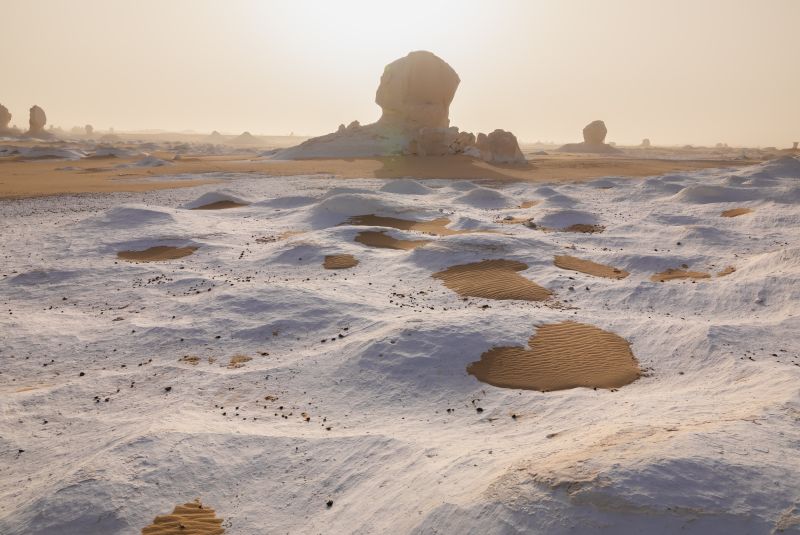
Captured Journeys
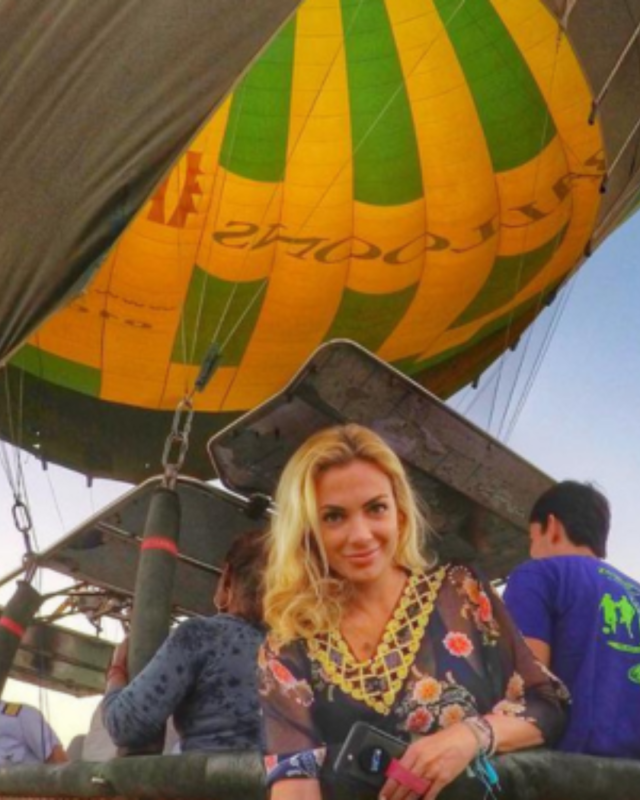
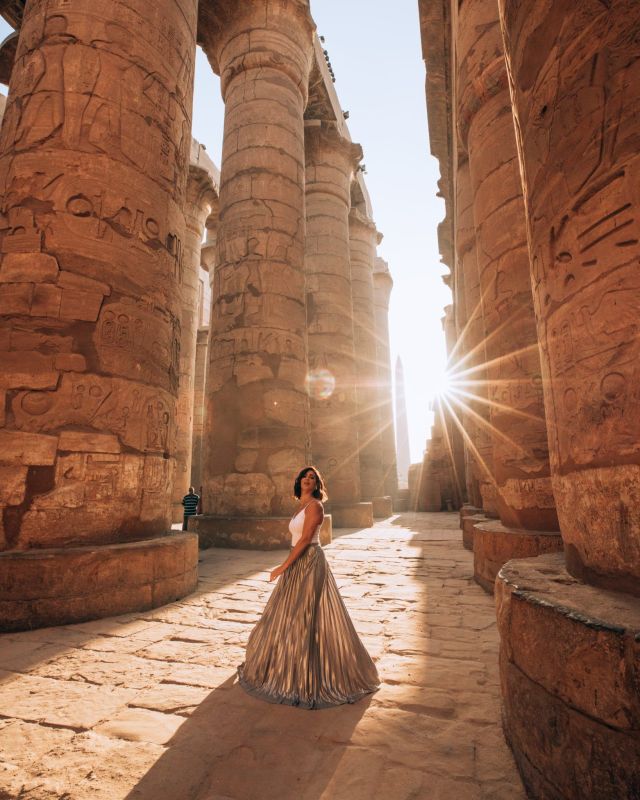
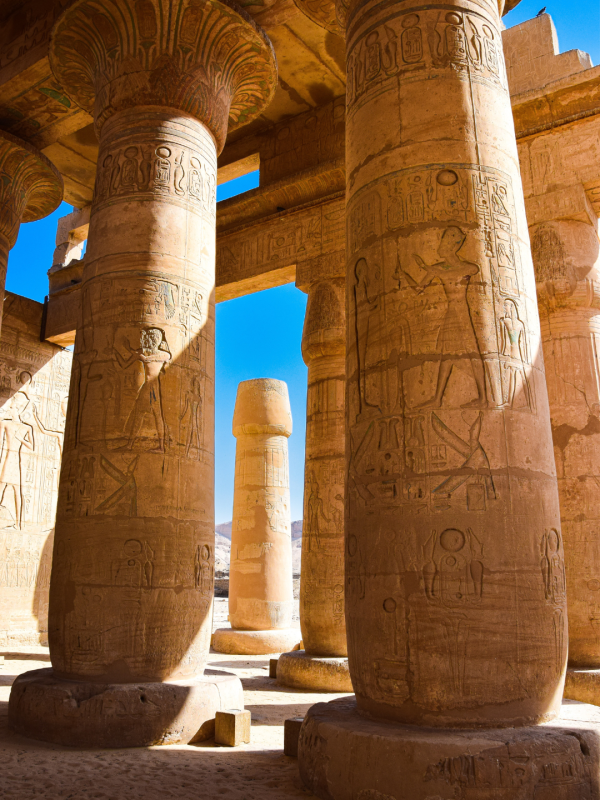
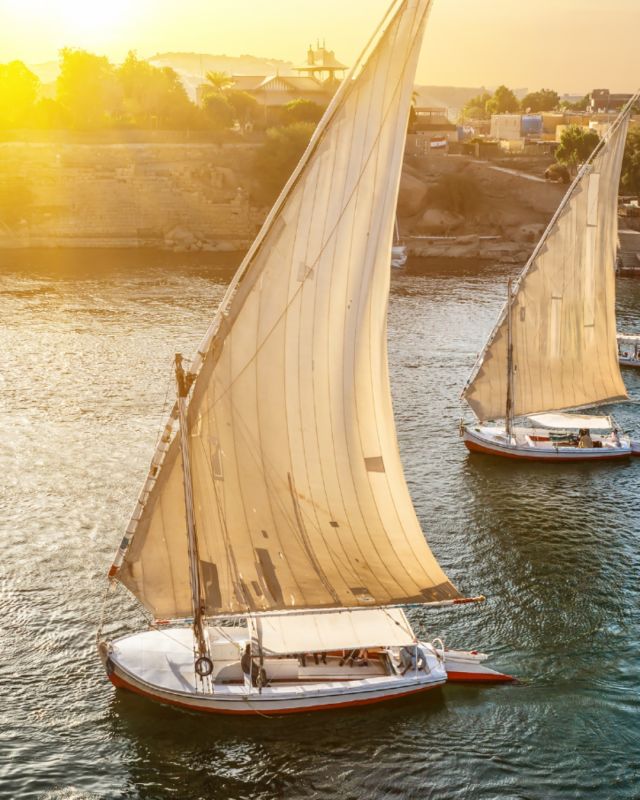
A glimpse into the beauty, culture, and timeless landscapes of Egypt.
Our Latest Blog
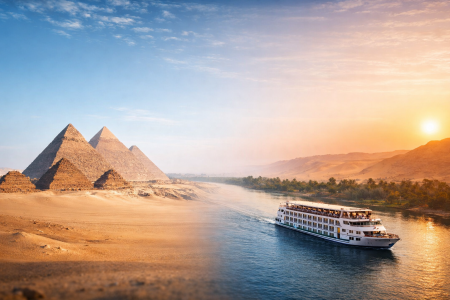
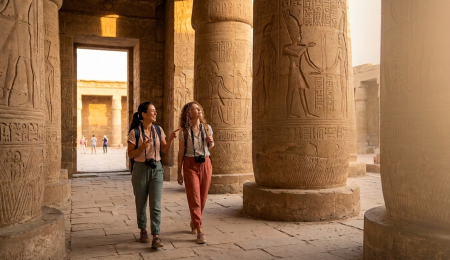
Insights, inspiration, and expert tips to help you experience Egypt in a more meaningful way.
Want to see our Recent News & Updates. Click here to View More